
Managing New-Construction Debris in a Fast-Growing County
Paulding builds fast. On a spec or subdivision schedule, the container that shows up on time is as much a part of the crew as anyone swinging a hammer.
In this guide
- A county that builds
- Sizing for new-build waste
- The clay exception
- Swaps and the build schedule
- Separating what has value
- Contractor accounts
- Keeping the site legal and clean
Paulding County has spent two decades as one of the fastest-growing counties in metro Atlanta, and it shows in the work. New subdivisions, spec builds, additions and the remodeling wave that follows as neighborhoods mature - construction is the backbone of what we haul. Managing that debris well is a real part of keeping a build on schedule and on budget.
A county that builds
From the growth corridors around New Georgia and the GA-92 side to the newer neighborhoods filling in toward Villa Rica and the county edges, Paulding keeps building. That means a lot of our construction work is repeat business with builders who need containers that behave predictably across multiple lots.
New construction has a distinct waste profile, and sizing and scheduling for it is different from a one-off home remodel.
Sizing for new-build waste
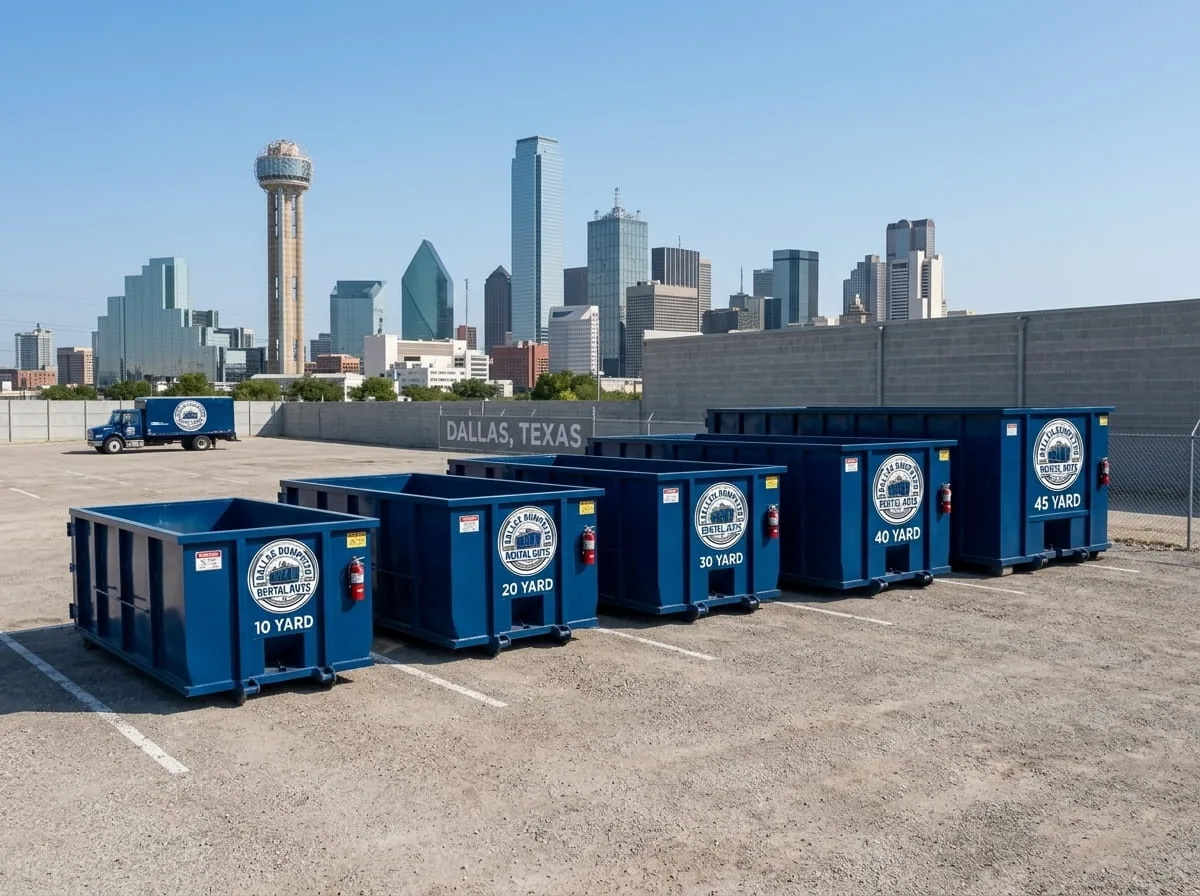
New-construction debris is bulky and light: framing offcuts, sheathing, drywall scrap, siding, packaging, cardboard, insulation. It fills volume long before it troubles the scale, which makes the 30 yard the natural workhorse for a build - you get the most volume per delivery and per swap.
The exception is the demolition or renovation phase on a teardown or major remodel, where denser material can push you toward a 20 filled properly. But for framing and finishing on a new build, volume is the constraint and the larger container earns its keep.
The clay exception
The one material on a new-build site that breaks the "bulky and light" rule is the red clay from the sitework - footings, foundation, grading, drainage. That spoil is dense and heavy, and it cannot go in with the framing waste.
Keep a dedicated 10 yard for the clay and dirt, separate from the general construction container. Mixed together, the clay pushes the general container over legal transport weight while it still looks half full, and you end up paying overweight charges on a load of light framing debris that should have been cheap. It is the most common avoidable cost on a local build.
Swaps and the build schedule
On a job site the container is a scheduling dependency. A full box that nobody swaps promptly stops trades from working, and idle trades cost far more than the container does.
Call before mid-morning and we swap the same day across Dallas, Hiram and the central-Paulding corridors - being based in town with the landfill nearby is what lets us hold to that. Two habits keep swaps smooth: call at about three-quarters full rather than waiting for overflowing, and keep the approach clear so the truck can actually reach the container on the scheduled day.
Separating what has value
On a build generating steady volume, a little separation pays. Clean wood, cardboard and metal are all worth keeping out of the general container. Metal has scrap value; cardboard and clean wood reduce the tonnage you are paying to bury; and clean fill and concrete route more cheaply kept separate.
Whether it is worth the on-site effort depends on the scale of the job. On a single spec house it may not be; on a subdivision phase it usually is. We will help set up the right container mix rather than defaulting to one big box for everything.
Contractor accounts
For builders running multiple lots, a contractor account keeps things simple: consistent pricing across sites, priority swap scheduling, and one monthly invoice itemized by address. The in-county landfill rate keeps the per-job disposal cost down, which across a multi-lot build is a real line-item saving.
Set the account up once and the ordering becomes a phone call - we know your sizes, your typical mix and your schedule, and the paperwork resolves monthly.
Keeping the site legal and clean
A tidy site is a safer and faster site, and a container that is the right size and swapped on time is most of what keeps a build tidy. It also keeps you the right side of the rules - debris blowing off an overfull container or piling up beyond it is both a hazard and, on some sites, a code issue.
Load level with the rim so the container can be legally transported, keep the heavy clay in its own box, and keep the swaps ahead of the work rather than behind it. Tell us your build schedule and we will keep the containers matched to it.
Book a container in Dallas
One flat rate covering delivery, seven days, pickup and disposal.
(678) 729-9241Questions readers ask about this
What size dumpster for a new-construction build?
Usually a 30 yard for framing and finishing waste, which is bulky and light, plus a separate 10 yard for the heavy red-clay fill from the sitework. Keeping the two separate avoids overweight charges on the light debris.
How fast can you swap containers on a build?
Same day when you call before mid-morning across Dallas, Hiram and the central-Paulding corridors. Call at about three-quarters full and keep the approach clear so the swap goes smoothly.
Why keep the clay out of the construction container?
Clay is dense enough to push a general container over legal transport weight while it looks half full, so you pay overweight charges on light framing debris. A dedicated 10 yard for the clay keeps both loads economical.
Do you offer builder accounts?
Yes. Consistent pricing across lots, priority swap scheduling and one monthly invoice itemized by address, with the in-county landfill rate keeping per-job disposal costs down.